- Conjunctivitis (eye infection)
- Impetigo (bacterial skin infection)
- Oral thrush
- Cold sores
- Allergic rhinitis and allergic conjunctivitis (hay fever–type symptoms)
- Uncomplicated lower urinary tract infection (cystitis) in non‑pregnant women aged 16–64
- Vulvovaginal thrush in females aged 16–60
- Shingles (herpes zoster) in adults, within defined time windows from rash onset.
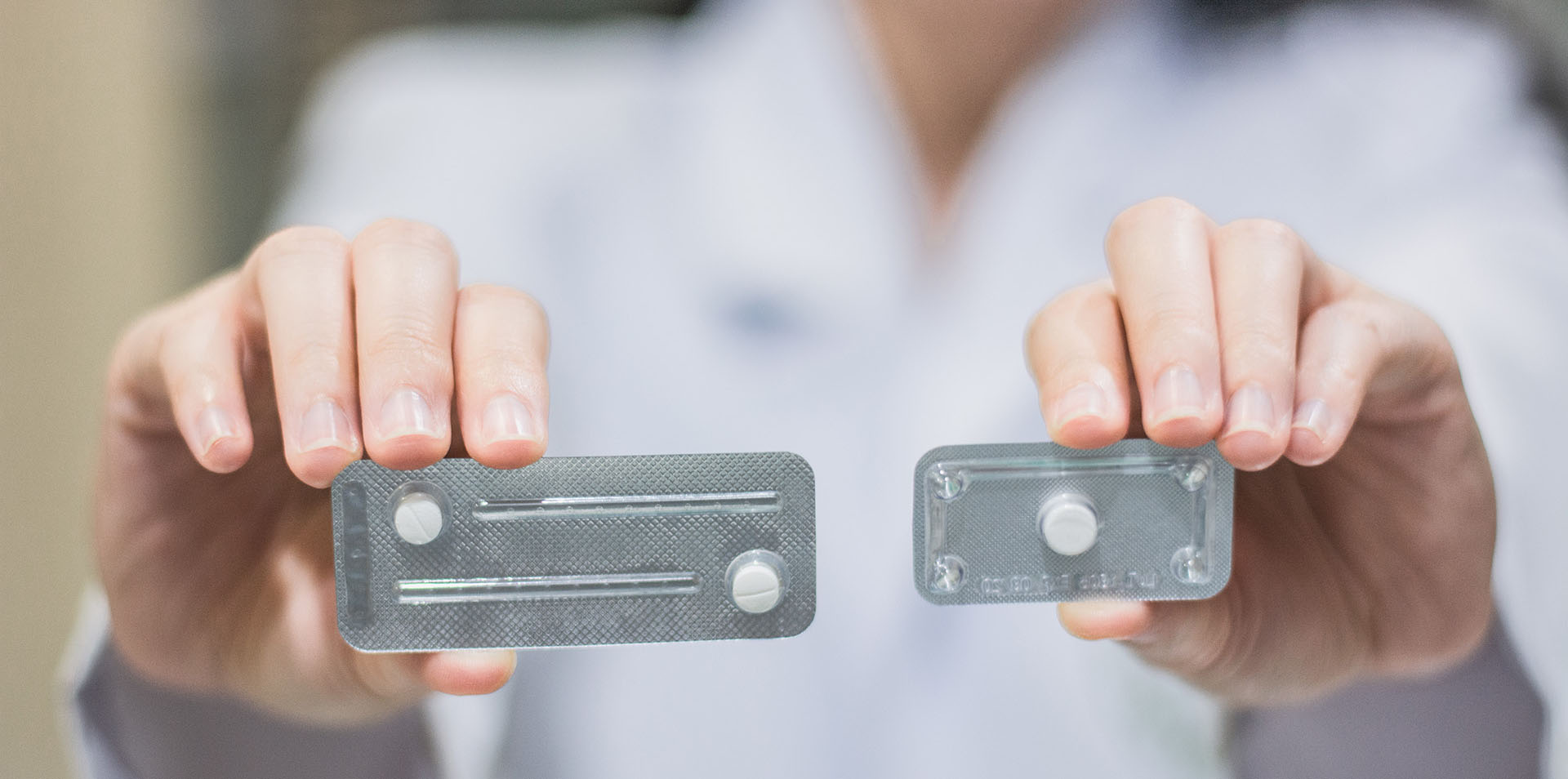
The morning after pill is available to you directly from your local pharmacy, without a prescription for those over 17 years of age, subject to meeting certain criteria.
The emergency contraception service is available free of charge to medical card holders when a valid card is presented and to persons aged 17-35 with a PPS number. For other customers, a fee will be charged, depending on the outcome of the consultation and the type of emergency contraception supplied
Emergency Hormonal Contraception may not be suitable if:
- Too much time has passed since the unprotected sex for the medicine to be effective (max time is 120 hours)
- You may be taking other medications or have certain medical conditions that make it unsafe for you to use emergency contraception
- Allergies to any of the ingredients in the medication
- You have already taken an emergency contraceptive pill within this cycle.
- Your last period was irregular in some way
Our pharmacists will determine if the morning after pill is suitable for you. If for any reason the pill is not suitable, there may be further options available. Our pharmacists are trained to be able to direct you to the correct source for help or support.
Morning after pills are not 100% effective. This is because there is a chance that you may have already ovulated when you take an emergency contraceptive pill. Taking emergency contraceptive pills as soon as possible after unprotected sex gives the best chance of success.
It should be noted that the morning after pill cannot protect against a sexually transmitted infection. Talk to your pharmacist or doctor if you have any questions about STI’s or visit www.thinkcontraception.ie for more information.

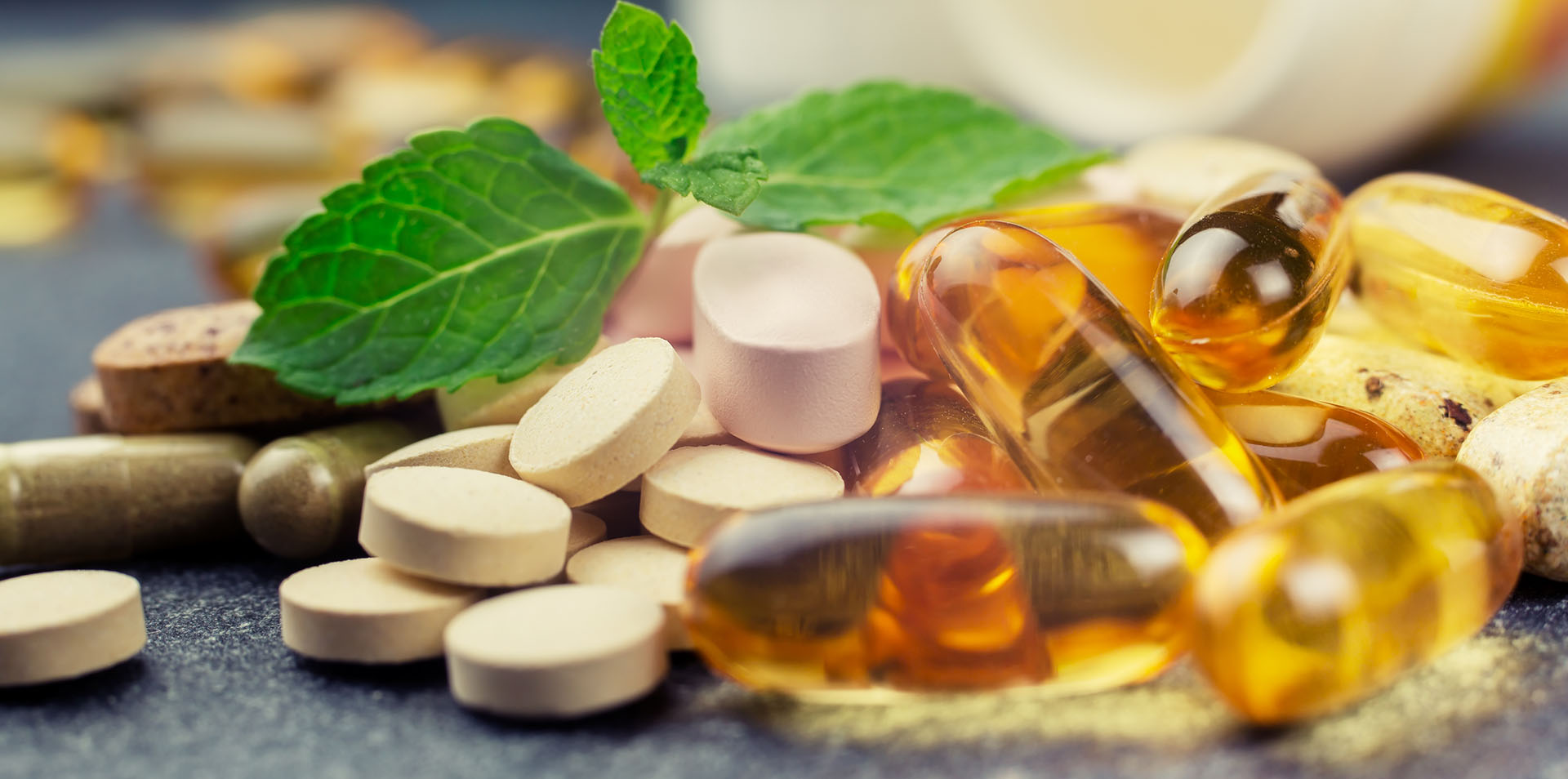
Nutrients are substances that are essential for good health - promoting energy, providing building blocks to form body structures, and helping to regulate body functions.
Protein, carbohydrate, and fat are classified as macronutrients providing energy to fuel the body plus protein is broken down into amino acids to repair and grow new muscle fibres.
Minerals and vitamins are classified as micronutrients and play a key role in the body\'s structures and functions.
The Irish government and the HSE publish detailed nutritional guidelines comprising a few key points:
- Eat more vegetables, salad, and fruit - Up to seven servings a day.
- Limit your intake of high fat, sugar, salt (HFSS) food and drinks.
- Reduce portion sizes and use the food pyramid as a guide.
- Increase your physical activity.
For many people, following a balanced and healthy diet coupled with exercise, will provide all the nutritional needs of your body.
However, nutritional needs vary with age, activity, and medication - particularly the long-term use of medications.
With age the lean body mass naturally reduces and there is an increase in body fat. This generally results in reduced mobility and subsequent risk of osteoporosis and falls.
It also reduces the metabolic rate causing the body\'s energy requirements to fall which may in turn may lessen your appetite. The reduced intake of foods may also decrease your micronutrient intake (for example vitamins).
Certain medications are well known for causing side effects such as nausea or drowsiness affecting nutritional intake, but sometimes a lesser known side effect happens without giving you any warning: nutrient deficiency.
Most medications for a short amount of time will not lead to nutrient deficiency.
But long-term use can be different - reducing the absorption of certain vitamins or depleting minerals in the body or even inhibiting the production of important enzymes.
Even commonly used medications like some statins, PPIs (for acid reflux) and diuretics (lower blood pressure) etc taken for long periods can lead to nutrient deficiency.
If you feel any of the above apply to you, we can complete a review of your medications and diet to provide guidance on what nutritional supplements would benefit you.

Using our instant digital photo equipment, we can offer the following professional photo services.
- Passport Photos (Standard & Online)
- Driving License Photos
- PSV License Photos
- American Passports and Other Nationalities
- Taxi License Photo
- Passport Photos for toddlers (2yrs plus) & children
- Garda ID Photos
Taxi License Photos
We print passport-style photographs, each measuring 10cm by 7cm as per taxi driver license requirements, showing your head and shoulders and complying with standards for passport photographs.
Passport Photos (Standard & Online)
We print and check that developed photos meet all requirements of the Irish Passport Office, both for print and online versions.

The delivery of patient care and pharmacy services to patients residing in residential care and nursing homes is a primary patient safety and professional practice issue. As pharmacists, we play an ongoing role in the healthcare team caring for nursing home and residential care patients, particularly in ensuring safe and appropriate supply and management of medicines.
Our SOPs set out the requirements involved in the sale and supply of medicines to patients who are living in residential care settings/nursing homes. Our SOPs adhere to the PSI guidelines which outline several interactions between pharmacies and nursing home / care facilities relating to the importance of prescriptions, mandatory review of prescribed medicines, patient counselling the appropriate delivery of medicines.
Our pharmacists are also available to participate in an interdisciplinary review of each patient on long-term medication. HIQA recommends this is complete at least every three months.